

Portable Ramps For Wheelchair Access
Add a review FollowOverview
-
Founded Date August 31, 1934
-
Sectors Accounting
-
Posted Jobs 0
-
Viewed 3

Company Description
Nine Things That Your Parent Taught You About Wheelchair Loading Ramps
The Importance of Wheelchair Loading Ramps: Enhancing Accessibility for All
In today’s world, accessibility is more vital than ever. Individuals with mobility obstacles deserve the same opportunities as anyone else, and guaranteeing they can browse their environments securely is essential. Wheelchair Loading Ramps (https://git.auwiesen2.de/movable-wheelchair-Ramps2269) play an important function in this regard. They not just assist individuals in using wheelchairs but likewise make environments available for those with strollers, carts, and other wheeled devices. In this post, we will check out the significance of wheelchair loading ramps, their different types, and essential functions to consider when picking one for your needs.
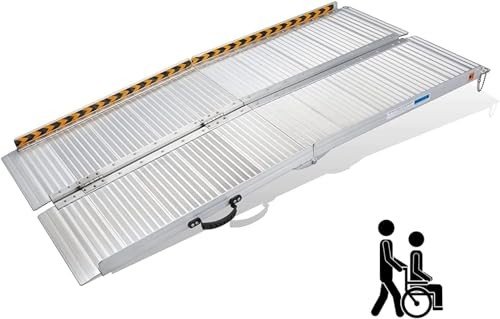
Comprehending Wheelchair Loading Ramps
Wheelchair loading ramps are inclined surface areas created to help with the motion of people in wheelchairs from one elevation to another, such as from a walkway to a structure entryway or from an automobile to the ground. These ramps minimize the effort required to browse barriers, intending to create a more inclusive environment.
Typical Settings for Wheelchair Ramps
Wheelchair ramps can be discovered in different settings, consisting of:
| Setting | Description |
|---|---|
| Residential | Installed in the houses to supply access to front decks, garages, or yards for member of the family. |
| Industrial | Found in services, retailers, and public structures to comply with accessibility laws. |
| Public Spaces | Located in parks, outside locations, and public transport facilities to make sure mobility equality. |
| Automobiles | Utilized for loading and discharging wheelchairs from automobiles, vans, and trucks. |
Kinds Of Wheelchair Loading Ramps
Selecting the ideal kind of ramp depends upon the specific requirements of the user and the environment in which it will be utilized. Here are the main types of wheelchair loading ramps:
1. Temporary Ramps
Temporary ramps are lightweight and portable. They are ideal for short-term usage, such as throughout events or when accommodating visitors.
-
Pros:
- Easy to transfer.
- Quick setup without installation.
-
Cons:
- May absence resilience.
- Not appropriate for long-lasting usage.
2. Irreversible Ramps
These ramps are built into the structure of structures or homes, providing a more robust and long lasting solution.
-
Pros:
- Customizable to fit specific requirements.
- Resilient and stable for extensive usage.
-
Cons:
- Higher upfront expense.
- Permanent setup might need permits.
3. Folding Ramps
Folding Ramps For Mobility Scooters can broaden and contract, making them versatile for various scenarios, particularly for transferring in automobiles.
-
Pros:
- Compact when kept.
- Ideal for varied applications.
-
Cons:
- Slightly heavier than other portable ramps.
- May need help for setup.
4. Telescoping Ramps
Telescoping ramps change in length, providing versatility for numerous height elevations and accommodating various kinds of vehicles.
-
Pros:
- Adjustable length for adjustable height requirements.
- Great for irregular surfaces.
-
Cons:
- Can be more expensive than repaired ramps.
- May require maintenance to ensure performance.
5. Wheelchair Van Ramps
These ramps are specifically designed for wheelchair-accessible vans and supply a safe and smooth shift from the car to the ground.
-
Pros:
- Designed for vehicle-specific usage.
- Frequently includes powered choices for easy loading.
-
Cons:
- May just be functional in a car setting.
- Needs proper setup.
Necessary Features to Look for in Wheelchair Loading Ramps
When selecting a wheelchair loading ramp, numerous elements must be considered to guarantee security and usability:
| Feature | Significance |
|---|---|
| Product | Select resilient products like aluminum or steel for better longevity and safety. |
| Weight Capacity | Guarantee the ramp can support the weight of the user and wheelchair, often significant in requirements. |
| Slope Ratio | A slope of 1:12 is suggested for manual wheelchairs, while powered wheelchairs may be able to manage steeper slopes. |
| Surface area Texture | Try to find ramps with slip-resistant surface areas to prevent accidents, particularly in damp conditions. |
| Portability | Think about how quickly the ramp can be moved or saved, depending upon its designated usage. |
| Safety Features | Handrails and side curbs can enhance security by avoiding slips and falls. |
Frequently Asked Questions (FAQs)
1. How steep should a wheelchair ramp be?
The recommended slope for a wheelchair ramp is generally 1:12, indicating that for each inch of height, there ought to be at least 12 inches of ramp length. Steeper ramps may be unsafe for manual wheelchairs and could lead to mishaps.
2. Can I develop my own wheelchair ramp?
Yes, you can develop your own ramp following regional building regulations and policies. However, it is vital to guarantee it meets safety requirements and supplies sufficient support for its intended users.
3. What type of wheelchair ramp is best for a lorry?
For vehicles, telescoping Ramps For Wheelchair or Folding Wheelchair Ramp ramps are typically best due to their portability and adjustable lengths. Ensure they are created for the height of your car for ideal safety.
4. Do I need a permit to install a long-term ramp?
Typically, yes, a lot of municipalities need an authorization for installing a long-term ramp, particularly for public buildings or industrial residential or commercial properties. Make certain to examine regional policies before installation.
5. Exist financial support programs for wheelchair ramps?
Numerous organizations supply financial assistance for home modifications, including wheelchair ramps. Contact regional disability advocacy groups or governmental firms for available grants or financing.
Wheelchair loading ramps are indispensable tools that considerably enhance ease of access for individuals with mobility difficulties. By comprehending the numerous types of ramps, their essential features, and how to pick the right one, people and organizations can add to a more inclusive society. As the world continues to advance towards better ease of access standards, buying quality wheelchair loading ramps is an investment in equity and dignity for everyone.
