
Portable Ramps For Steps
Add a review FollowOverview
-
Founded Date November 26, 1904
-
Sectors Automotive Jobs
-
Posted Jobs 0
-
Viewed 3

Company Description
Guide To Ramps For Mobility Scooters: The Intermediate Guide To Ramps For Mobility Scooters
Ramps for Mobility Scooters: A Comprehensive Guide
Mobility scooters have actually become vital tools for people with mobility difficulties, offering a sense of independence and freedom to navigate numerous terrains. Nevertheless, for these scooters to be completely practical in daily life, the usage of ramps is frequently important. In this post, we will explore various kinds of ramps, their benefits, factors to consider when selecting the right ramp, and respond to some often asked concerns.
Understanding Ramps for Mobility Scooters
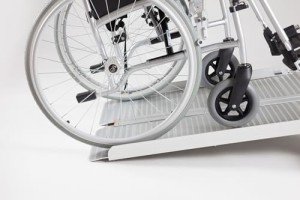
Ramps tend surfaces that allow mobility scooters to get rid of barriers such as curbs, steps, and limits, making it much easier and safer for users to access buildings, vehicles, and outdoor areas. By supplying a mild slope, ramps reduce the risk of mishaps and increase ease of access for people utilizing mobility scooters.
Kinds of Ramps
There are a number of kinds of ramps offered on the marketplace, and each type serves various requirements. Below is a table that describes the various types of ramps for mobility scooters:
| Type of Ramp | Description | Perfect Use |
|---|---|---|
| Foldable Ramps | Lightweight and portable ramps that can be folded for simple storage. | Home usage, travel, and events |
| Stationary Ramps | Irreversible ramps made from durable materials. | Accessing buildings or homes |
| Wheelchair Ramps | Created particularly for people using wheelchairs and scooters. | Public locations, homes, and organizations |
| Threshold Ramps | Brief ramps particularly designed to fit over door limits. | Interior or exterior door access |
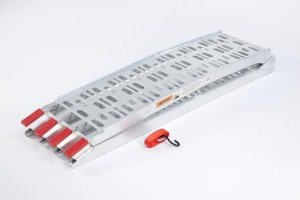
| Portable Ramps | Easily transportable ramps made for temporary use. | Travel and outside events |
Benefits of Using Ramps
-
Security: Ramps decrease the danger of accidents by supplying a steady incline for mobility scooter users to browse challenges.
-
Accessibility: With ramps in location, users can access structures, automobiles, and public spaces with higher ease.
-
Independence: Ramps empower people with mobility obstacles, allowing them to move freely without depending on help.
-
Versatility: Ramps are offered in different sizes and designs, making them ideal for indoor and outdoor usage, in addition to for different surfaces.
-
Economical: By enabling better access, ramps can ease the requirement for substantial restorations or adjustments to homes or structures.
Aspects to Consider When Choosing a Ramp
When picking a ramp for mobility scooters, it’s crucial to assess a number of elements to ensure it fulfills the user’s requirements successfully. Here’s a list of considerations:
1. Weight Capacity
- Ensure the ramp can support the weight of both the mobility scooter and its user. Many ramps suggest their maximum weight capability.
2. Length and Inclination
- Steeper ramps may be more difficult to navigate. It’s essential to select a ramp with an appropriate length to develop a mild slope. The Americans with Disabilities Act (ADA) suggests a ratio of 1:12 for wheelchairs, indicating that for every single inch of rise, there should be at least 12 inches of ramp run.
3. Material
- Ramps are made from various products including aluminum, wood, and plastic. Aluminum ramps are lightweight and durable, while wood ramps might blend better aesthetically with a home but can be heavy.
4. Portability
- Think about how frequently the ramp will be moved. If portability is necessary, try to find foldable or lightweight options.
5. Surface Texture
- A non-slip surface is crucial for security, especially in wet conditions. Search for ramps with textured surfaces or included grip functions.
6. Application Area
- Identify if the ramp will be utilized indoors or outdoors. Outdoor ramps might require to endure weather aspects, while indoor ramps must fit comfortably in entrances or hallways.
7. Local Regulations
- Always examine local building codes or policies regarding ramp setup, particularly for irreversible structures.
Frequently Asked Questions (FAQs)
1. How do I understand what size ramp I need?
- The size of the ramp required will depend on the height that needs to be gotten rid of and the offered space for the ramp. Measuring the vertical increase and considering the ADA suggested slope ratio will assist identify the appropriate length.
2. Can ramps be used for other mobility aids besides scooters?
- Yes, ramps can be utilized for various mobility aids, consisting of wheelchairs, walkers, and even strollers.
3. Are there any safety pointers for utilizing ramps?
- Always inspect that the ramp is securely located and steady before use. Encourage users to approach ramps slowly and preserve a constant speed when rising or coming down.
4. How do I keep my ramp?
- Regularly examine the ramp for any indications of wear or damage. Tidy them periodically to get rid of dirt and avoid slipping, and secure any loose hardware.
5. Are there financial help programs for purchasing ramps?
- There are a number of programs that may assist in buying availability devices, including ramps. These might include regional grants, government support programs, or charitable companies focused on disability assistance.
Ramps for mobility scooters play a considerable function in producing accessible environments for people with mobility challenges. By understanding the various types of ramps readily available, their advantages, and the factors to think about when selecting a ramp, people and caretakers can make educated decisions that boost self-reliance and security. Whether for home use, public structures, or travel, the best ramp will make sure that mobility scooter users can navigate their world with ease, dignity, and self-confidence.