

Treadmill With Automatic Incline UK
Add a review FollowOverview
-
Founded Date April 18, 1922
-
Sectors Automotive Jobs
-
Posted Jobs 0
-
Viewed 9

Company Description
Treadmill Incline Tools To Streamline Your Daily Lifethe One Treadmill Incline Trick That Everyone Should Be Able To
The Benefits of Using Treadmill Incline: Elevate Your Workout
When it concerns maximizing workout efficiency, lots of physical fitness enthusiasts typically ignore one reliable yet easy tool: the incline feature on a treadmill. Whether you’re an experienced runner or a newbie looking for an efficient method to enhance cardiovascular fitness, incorporating incline into your treadmill regimens can significantly improve your exercise experience. This short article explores the importance of treadmill incline, its advantages, use pointers, and answers to often asked concerns.
What is Treadmill Incline?
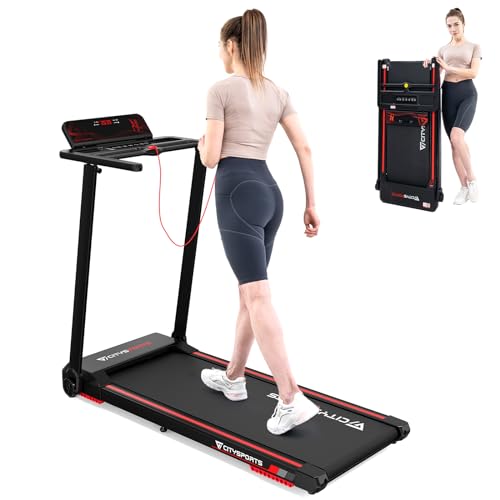
Treadmill incline describes the angle at which a treadmill’s running surface is raised. Most contemporary treadmills come with adjustable inclines that enable users to simulate walking or running uphill. The incline can normally be set anywhere from 0% (flat) to as high as 15% or more, depending on the model. This feature can supply users with a more difficult workout that imitates outside terrain conditions.
Advantages of Using Treadmill Incline
Making use of treadmill incline offers a myriad of benefits for people intending to boost their physical fitness levels. Some of the crucial benefits consist of:
1. Increased Caloric Burn
Among the most considerable advantages of including incline exercises is the potential for increased calorie expenditure. When you stroll, jog, or operate on an incline, your body works harder to conquer gravity. This causes a higher metabolic rate and, therefore, greater calorie burn compared to exercising on a flat surface.
- Studies recommend incline training can burn up to 50% more calories than a workout on a flat treadmill.
2. Boosted Muscle Engagement
Incline workouts engage various muscle groups compared to flat running. Particularly, they target:
- Calves
- Hamstrings
- Glutes
- Quads
This enhanced engagement can lead to improved muscle tone and strength with time, contributing to better total fitness.
3. Lowered Impact on Joints
For those with joint issues or those recovering from injury, running on an incline can be gentler compared to running on flat surfaces. The incline moves a few of the impact away from the knees and lower back, using a more forgiving running surface area.
Tips for Reduced Impact:
- Start with a gentle incline (1-3%) before gradually increasing.
- Utilize a correct warm-up to prepare the joints.
4. Improved Cardiovascular Fitness
Incline workouts tend to elevate heart rates more than flat treadmill workouts. This can lead to enhancements in cardiovascular health over time.
- High-intensity interval training (HIIT) with incline can be especially efficient for boosting cardiovascular resilience.
5. Imitating Outdoor Environments
Incline training permits treadmill users to duplicate the conditions of outside surfaces, helping to prepare for roadway races or trail running. This can boost endurance and flexibility to various running conditions.
How to Use Treadmill Incline Effectively
To take full advantage of the benefits of treadmill incline exercises, consider the following standards:
-
Warm-Up:Begin with a progressive warm-up on a flat surface area for 5-10 minutes to prepare your muscles.

-
Start Low:If you’re new to incline training, begin with a 1-3% incline. As you gain strength and confidence, gradually increase the incline for more obstacle.
-
Integrate Intervals:To raise exercise intensity, alternate in between durations of flat running and higher incline periods.
- Example Routine:
- 5 minutes flat (0%)
- 3 minutes incline (5-10%)
- 5 minutes flat (0%)
- Repeat the cycle.
- Example Routine:
-
Correct Form:Maintain good posture by standing high, engaging your core, and not leaning exceedingly into the incline.
-
Cooldown:Always conclude your exercise with a cooldown period on a flat treadmill to allow your heart rate to slowly return to typical.
FAQs about Treadmill Incline
1. Is an incline of 15% too high for beginners?
While 15% can be difficult, beginners need to begin at a lower incline (1-3%) and gradually increase as they become more comfortable and develop strength.
2. How often should I include incline exercises?
For best results, consider integrating incline exercises into your routine 1-3 times per week, depending on your total fitness goals and levels.
3. Can using incline assist with weight reduction?
Yes, incline workouts can significantly enhance your calorie burn, making weight reduction more attainable when matched with correct nutrition.
4. Should I utilize incline workouts whenever I walk or run?
While incline exercises are advantageous, alternating in between flat and inclined sessions can help prevent overuse injuries and keep exercises varied.
5. Is it safe to run on an incline for long durations?
Typically, yes, however it is vital to listen to your body. If you begin to feel pain or pain, lower the incline or provide your body a rest.
Incorporating treadmill incline is an uncomplicated yet reliable method to elevate fitness routines. It uses many benefits, from increased calorie burn and muscle engagement to enhanced cardiovascular health. By implementing the tips laid out above, individuals can take pleasure in a more diversified workout regimen that satisfies their physical fitness goals and enhances their overall wellness. Whether going for weight-loss, muscle toning, or endurance structure, the incline feature on treadmills can pave the way to a more efficient physical fitness journey.
